Romance Scam Awareness
By: Vivian Havlin
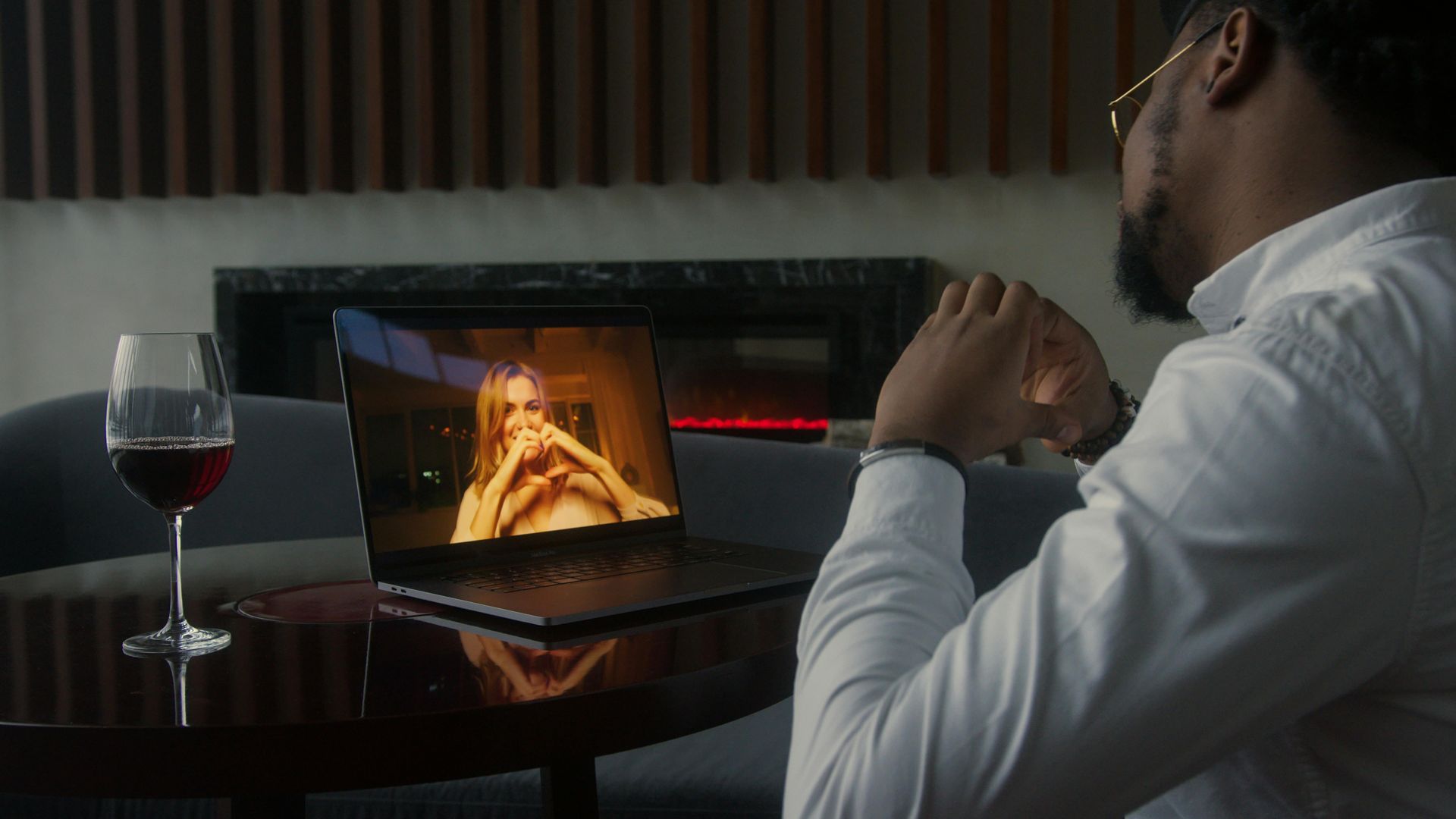
Romance scams begin quietly. They often arrive as a friendly message on social media, a comment on a photo, or a match on a dating app that feels almost too perfect. The person is attentive. They ask thoughtful questions. They remember little details about your day. They make you feel seen in a way that can be rare in a busy and sometimes lonely world.
That is exactly why these scams work.
Criminals who run romance scams are skilled at building trust. They spend time learning about the person they are targeting. They mirror interests. They express strong emotions quickly. They often claim to live or work far away, sometimes as contractors, military members, engineers, or doctors on assignment. Distance becomes their excuse for never meeting in person.
The relationship feels real because the emotions are real. People who fall into these scams are not foolish. They are human.
After trust is built, a problem appears. A sudden illness. A work emergency. Travel documents that need to be paid for. A package stuck in customs. A frozen bank account. The request is always urgent and emotional. The scammer promises to pay the money back as soon as they arrive to start their new life together.
Sometimes the requests start small. Then they grow. The scammer may ask for gift cards, wire transfers, cryptocurrency, or access to bank accounts. They may even guide the victim step by step through sending the money. They know how to create panic and pressure, so the person does not have time to think or ask others for advice.
Many victims feel shame afterward. They worry people will judge them. They stay quiet. That silence allows the scam to continue with others.
Romance scams are one of the most painful types of fraud because they steal more than money. They steal trust. They leave people questioning their own instincts. For families, it can be frightening to watch a loved one slowly pulled away by someone they have never met.
There are warning signs to watch for. Someone who falls in love very quickly. Someone who avoids video calls or always has an excuse why their camera is broken. Someone who sends photos that look like model pictures or appear in a reverse image search. Someone who asks you to move the conversation off the dating app right away. Someone who asks for money or gift cards for any reason.
Healthy relationships do not require secrecy or urgency.
If something feels wrong, pause. Talk to a trusted friend or family member. Search for the person’s photos online. Ask direct questions. Real people will understand caution. Scammers will push harder or disappear.
If you or someone you know has already sent money, it is important to report it quickly. Contact your bank, the platform where you met the person, and local law enforcement. In the United States, reports can also be made to the Federal Trade Commission and the FBI Internet Crime Complaint Center. Reporting helps investigators track patterns and warn others.
For older adults or people living with memory challenges, romance scams can be especially dangerous. Families should talk openly about online safety, review unusual financial activity, and keep communication kind and supportive. Accusing someone can push them closer to the scammer. Listening with patience can help them step back and see the truth.
Prevention is stronger than recovery. Talk about these scams in community meetings, schools, and faith groups. Share real stories without blame. Teach children and teens how to recognize manipulation online so they grow up prepared.
Love should feel safe. It should not come with urgent requests for money or pressure to hide the relationship. Real connections grow slowly, with honesty and trust on both sides.
If you are unsure about someone online, take a breath. Ask questions. Reach out to someone you trust. Protecting your heart is just as important as protecting your wallet.
Until next time, stay informed, stay safe, and watch out for one another. Because when we know better, we protect better.
Need help or have questions?
📞 Call our office at
305-470-1670
🌐 Visit us online at
www.citizenscrimewatch.org