

June 22, 2026

When “Share Your Location” Stops Feeling Safe: A Conversation Every Parent and Teen Should Have

This article has been written by Vivian Havlin

When “Share Your Location” Stops Feeling Safe: A Conversation Every Parent and Teen Should Have


By: Vivian Havlin


It usually starts out harmless.

“Share your location so I know you got home.”
“Let me add you on Find My, it’s just easier.”
“All my friends do it.”


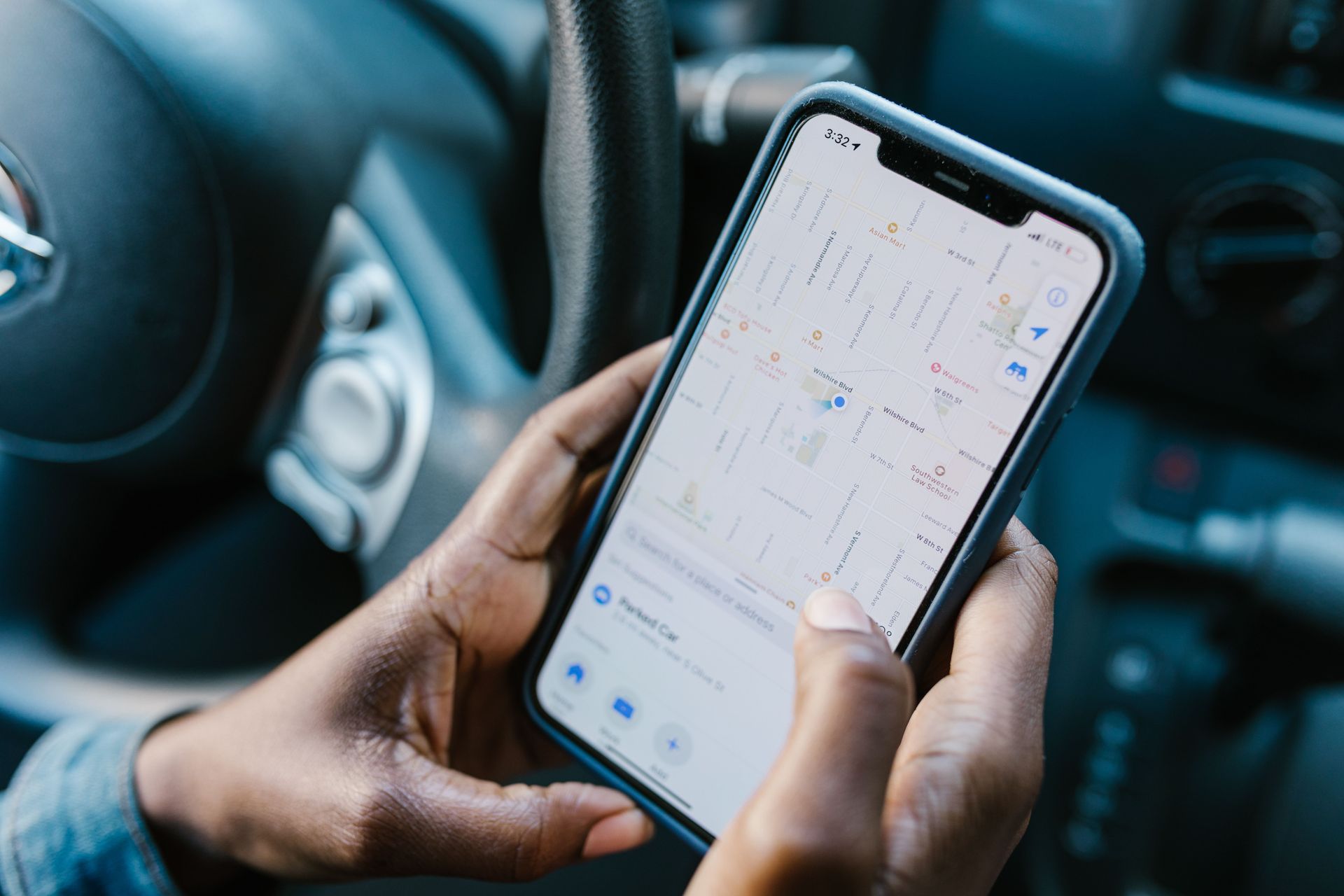
Location sharing apps like Find My, Snapchat, or Life360 were created to keep people safe and connected. And in many cases, they do. Parents feel reassured. Friends can find each other. Teens get a little more independence with a safety net. But here’s the part we don’t always talk about, sometimes, those same tools quietly cross a line from safety into control.


When “Just Share It” Becomes Pressure


For teens, location sharing isn’t always a choice, it can feel like a requirement.


A friend might say,
“If you don’t share your location, what are you hiding?”

A boyfriend or girlfriend might push,
“If you cared about me, you’d turn it on.”


And suddenly, something that was meant to help them feel safe starts making them feel watched. That pressure is real, and it matters. Because no one, adult or teen, should feel forced to give up their privacy just to keep a relationship.


When It Turns into Control


This is where parents should gently lean in, not with fear, but with awareness.

Location sharing can become unhealthy when:

  • Someone gets upset if it’s turned off
  • A teen feels like they’re constantly being monitored
  • It’s used to question, accuse, or track movements
  • A relationship depends on having access to someone’s location


That’s not safety anymore, that’s control. And for teens who are still learning what healthy relationships look like, this can be confusing.


The Hard Truth: It Can Be Used for Harm


There’s also a more serious side. If location sharing is left on with the wrong person, especially after a breakup or falling out, it can lead to:

  • Stalking behaviors
  • Showing up uninvited
  • Tracking routines like school, home, or hangout spots


Teens often don’t think about turning location sharing off when relationships change, but it’s one of the most important safety steps they can take.


Talking About It Without Turning It into a Lecture


This conversation doesn’t have to be heavy. In fact, it’s better when it’s not.

You might say,
“I think location sharing can be helpful, but I also want you to know you never owe anyone access to where you are.”

Or

 “If a friend or someone you’re dating ever makes you feel bad for turning it off, that’s something we should talk about.”


Let them talk, listen more than you explain.


What you’re really teaching is this:


Healthy relationships respect boundaries.
Privacy is not secrecy, it is normal.
Safety tools should make you feel safe, not stressed.


What Teens Need to Hear and Remember


If you’re speaking directly to your child, this is the message that sticks:

  • You get to choose who sees your location
  • You can turn it off at any time with no explanation needed
  • Real friends will not pressure you
  • If something feels off, it probably is


And maybe most important of all, you are allowed to have space, even from people you care about.


Bringing It Back to Safety


Location sharing is not the enemy. It can be incredibly helpful when used the right way, especially between parents and kids. But like any tool, it depends on how it’s used. This is less about technology and more about teaching our kids how to recognize pressure, how to set boundaries, and how to trust their instincts. Because long after the apps change, those are the skills that will keep them safe.


Until next time, stay informed, stay safe, and watch out for one another. Because when we know better, we protect better.


Need help or have questions?
📞 Call our office at
305-470-1670
🌐 Visit us online at
www.citizenscrimewatch.org

By Vivian Havlin June 8, 2026
Summer brings a different kind of reality, more unstructured time, more screen use, and more opportunities for children to be online without the same level of supervision they might have during the school year. This is the moment to prepare not out of fear, but out of intention.
By Vivian Havlin May 25, 2026
Every time the world experiences a crisis, scammers move quickly to take advantage of fear, confusion, and emotion. The growing tensions and conflict involving Iran are no exception.

By Vivian Havlin May 11, 2026
There is something about a military uniform that immediately creates trust. Scammers know this too, and they are exploiting that trust in ways that are becoming more sophisticated, more emotional, and more dangerous every year.
By Vivian Havlin April 27, 2026
There’s a certain excitement that comes with tracking a package. But for far too many families, that excitement turns into frustration when the package is gone before they ever get to the door.

By Vivian Havlin April 20, 2026
April is Alcohol Awareness Month, a time to pause and reflect on the choices we make and the lives that can be changed in a single moment.

By Vivian Havlin March 30, 2026
Romance scams are one of the most painful types of fraud because they steal more than money. They steal trust. They leave people questioning their own instincts.
Show More
By Vivian Havlin June 8, 2026
Summer brings a different kind of reality, more unstructured time, more screen use, and more opportunities for children to be online without the same level of supervision they might have during the school year. This is the moment to prepare not out of fear, but out of intention.
By Vivian Havlin May 25, 2026
Every time the world experiences a crisis, scammers move quickly to take advantage of fear, confusion, and emotion. The growing tensions and conflict involving Iran are no exception.
By Vivian Havlin May 11, 2026
There is something about a military uniform that immediately creates trust. Scammers know this too, and they are exploiting that trust in ways that are becoming more sophisticated, more emotional, and more dangerous every year.

Show More

Share this article