
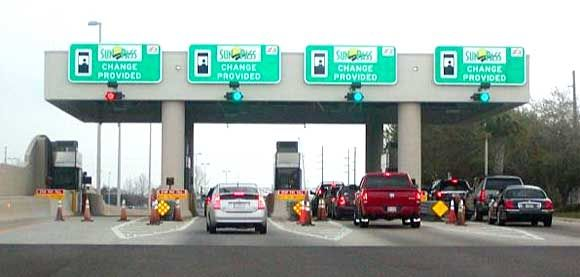
The next time you receive a message claiming you owe an unpaid toll, pause before you click. A few seconds of caution can save you from hours—or even months—of dealing with fraud and identity theft.

There’s something about child identity theft that feels impossible to parents. We hear the words and immediately think, “Why would anyone steal a child’s identity?”

Whether you’re a lifelong soccer fan or just excited to experience one of the biggest sporting events in the world. The last thing anyone wants is to drive to Hard Rock Stadium, pay for parking, get to the gate, and find out their ticket isn’t valid.
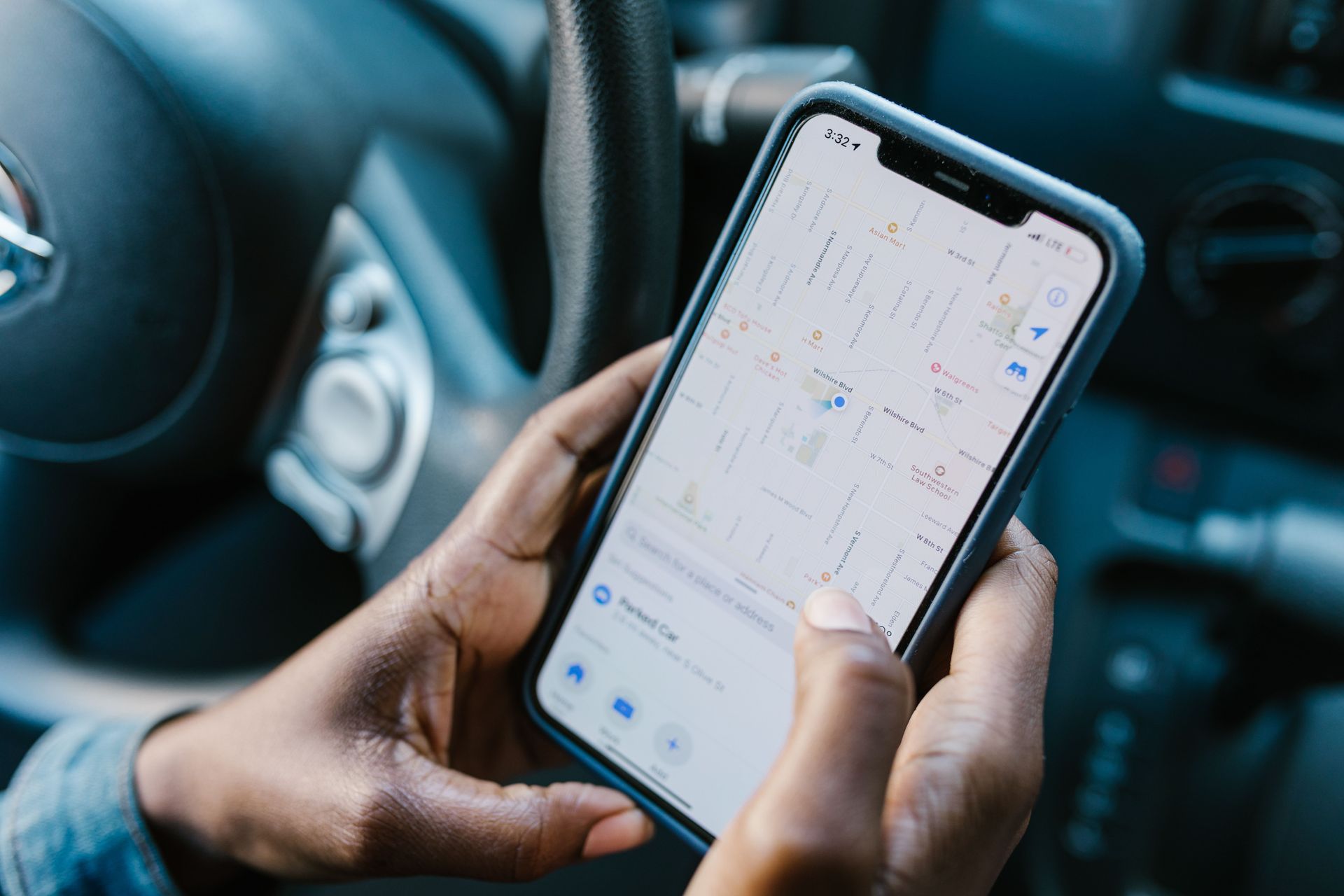
Location sharing apps were created to keep people safe and connected. Sometimes, those same tools quietly cross a line from safety into control.

Summer brings a different kind of reality, more unstructured time, more screen use, and more opportunities for children to be online without the same level of supervision they might have during the school year.
This is the moment to prepare not out of fear, but out of intention.
Every time the world experiences a crisis, scammers move quickly to take advantage of fear, confusion, and emotion. The growing tensions and conflict involving Iran are no exception.
The next time you receive a message claiming you owe an unpaid toll, pause before you click. A few seconds of caution can save you from hours—or even months—of dealing with fraud and identity theft.
There’s something about child identity theft that feels impossible to parents. We hear the words and immediately think, “Why would anyone steal a child’s identity?”
Whether you’re a lifelong soccer fan or just excited to experience one of the biggest sporting events in the world. The last thing anyone wants is to drive to Hard Rock Stadium, pay for parking, get to the gate, and find out their ticket isn’t valid.